Free Shipping On Orders over $75
March 16, 2026 8 min read
TL;DR: Stegosaurus was a large, heavily-built herbivorous dinosaur that lived 155-145 million years ago during the Late Jurassic Period. It's instantly recognizable by its distinctive rows of kite-shaped plates along its back and four sharp spikes on its tail (called a thagomizer). Despite weighing up to 5 tons, it had a brain the size of a walnut.
Stegosaurus (STEG-oh-SORE-us) is a genus of armored herbivorous dinosaur that lived approximately 155 to 145 million years ago during the Late Jurassic Period. The name means "roof lizard" in Greek, originally named by paleontologist Othniel Charles Marsh in 1877, who initially believed the plates lay flat across the dinosaur's back like roof shingles.
Key characteristics:
Stegosaurus belongs to the Thyreophora group (armored dinosaurs) and is one of the most recognizable dinosaurs ever discovered.
Stegosaurus was one of the largest members of the stegosaur family:
| Measurement | Size | |-------------|------| | Length | Up to 30 feet (9 meters) | | Height | About 14 feet (4.3 meters) at the hips | | Weight | 5,000-7,000 pounds (2.3-3.2 metric tons) | | Largest Species | S. ungulatus reached 25 feet (7.5 meters) and over 5 metric tons |
To put that in perspective:
Despite its massive size, Stegosaurus had a tiny head—about the size of a horse's head—on a relatively short neck. This meant it could only reach vegetation close to the ground.
The iconic back plates of Stegosaurus have puzzled scientists for over a century. Here's what we now know:
Physical characteristics:
Proposed functions:
Modern consensus: The plates primarily served as visual display structures for communication and mate attraction, with temperature regulation as a secondary benefit.
The four tail spikes of Stegosaurus—known as a thagomizer—were its primary weapon.
Thagomizer characteristics:
Evidence of combat use:
Fun fact: The term "thagomizer" comes from a 1982 Gary Larson Far Side comic, where a caveman explains the spikes are "named after the late Thag Simmons." Paleontologists adopted the term because no formal scientific name existed!
The thagomizer was a devastating defensive weapon. A full-grown Stegosaurus could deliver bone-crushing blows to predators like Allosaurus, which shared its habitat.
No—this is a myth. The "two brains" story comes from a misinterpretation of Stegosaurus anatomy.
The real story:
Brain-to-body ratio: Stegosaurus had one of the lowest brain-to-body mass ratios of any dinosaur—its brain weighed about 2.8 ounces (80 grams) in a 5-ton body. For comparison, your brain weighs about 3 pounds (1,350 grams).
What this means: Despite the tiny brain, Stegosaurus successfully survived for millions of years. Brain size doesn't directly correlate with evolutionary success—especially for herbivores with simple dietary needs.
Stegosaurus was a low-browsing herbivore that fed on ground-level vegetation.
Diet consisted of:
Feeding adaptations:
Feeding behavior: Stegosaurus couldn't rear up on hind legs due to its body structure, so it was restricted to plants within about 3 feet of the ground. Its beak-like mouth cropped vegetation, which it swallowed and digested slowly in a large gut.
Time period: Late Jurassic (Kimmeridgian to Tithonian stages)
Geographic range:
Habitat: Stegosaurus lived in semi-arid environments with distinct wet and dry seasons, featuring:
Neighbors: Stegosaurus shared its Late Jurassic world with:
Currently, three species of Stegosaurus are universally recognized:
Additional species have been proposed but are either considered synonyms of the above or lack sufficient evidence for classification.
Stegosaurus was discovered during the famous "Bone Wars"—a rivalry between paleontologists Othniel Charles Marsh and Edward Drinker Cope in the late 1800s.
Timeline:
Major specimens: Over 80 individual Stegosaurus fossils have been found—making it one of the best-known Jurassic dinosaurs. Notable specimens include:
Despite its armor and spikes, Stegosaurus was primarily a passive defender that relied on deterrence rather than aggression.
Primary defense: Thagomizer
Secondary defense: Size and plates
Defensive behavior (hypothesized):
Stegosaurus went extinct at the end of the Jurassic Period, approximately 145 million years ago—long before the asteroid that killed the dinosaurs 66 million years ago.
Possible causes:
Stegosaurus was replaced by other armored dinosaurs like ankylosaurs and nodosaurs in the Cretaceous Period.
Stegosaurus ranks among the most recognizable dinosaurs for several reasons:
Visual distinctiveness:
Cultural impact:
Scientific importance:
Stegosaurus has maintained a prominent place in dinosaur pop culture:
Movies:
Symbolism:
Design evolution: Early reconstructions got a lot wrong—dragging tails, paired plates, slow movement. Modern depictions show Stegosaurus with its tail held horizontally, staggered plates, and more active behavior based on biomechanical analysis.
Recent studies continue to reveal new insights:
Plate function (2015): Biomechanical modeling confirmed plates were too fragile for combat and optimally positioned for visual display and heat regulation.
Growth patterns (2016): Bone histology studies show Stegosaurus grew rapidly in early years, then slowed dramatically at maturity—similar to modern elephants.
3D modeling (2020s): Digital reconstructions of musculature suggest Stegosaurus could swing its thagomizer with enough force to penetrate thick hide—explaining Allosaurus injuries.
"Sophie" analysis (ongoing): The most complete Stegosaurus specimen continues to yield new anatomical details about muscle attachment points and posture.
Want to see Stegosaurus in person? These museums have excellent displays:
Many replicas and casts exist worldwide, making Stegosaurus one of the most accessible dinosaurs for public viewing.
Stegosaurus represents more than just an iconic image—it's a window into a lost world.
This dinosaur thrived for 10 million years in Late Jurassic ecosystems, successfully defending itself with one of nature's most distinctive weapon systems. Its bizarre anatomy—tiny brain, massive body, blood-filled plates, spiked tail—demonstrates the incredible diversity of evolutionary solutions.
Every new Stegosaurus fossil refines our understanding of how these remarkable animals lived, moved, fought, and died. And 145 million years after the last Stegosaurus walked the Earth, we're still learning from them.
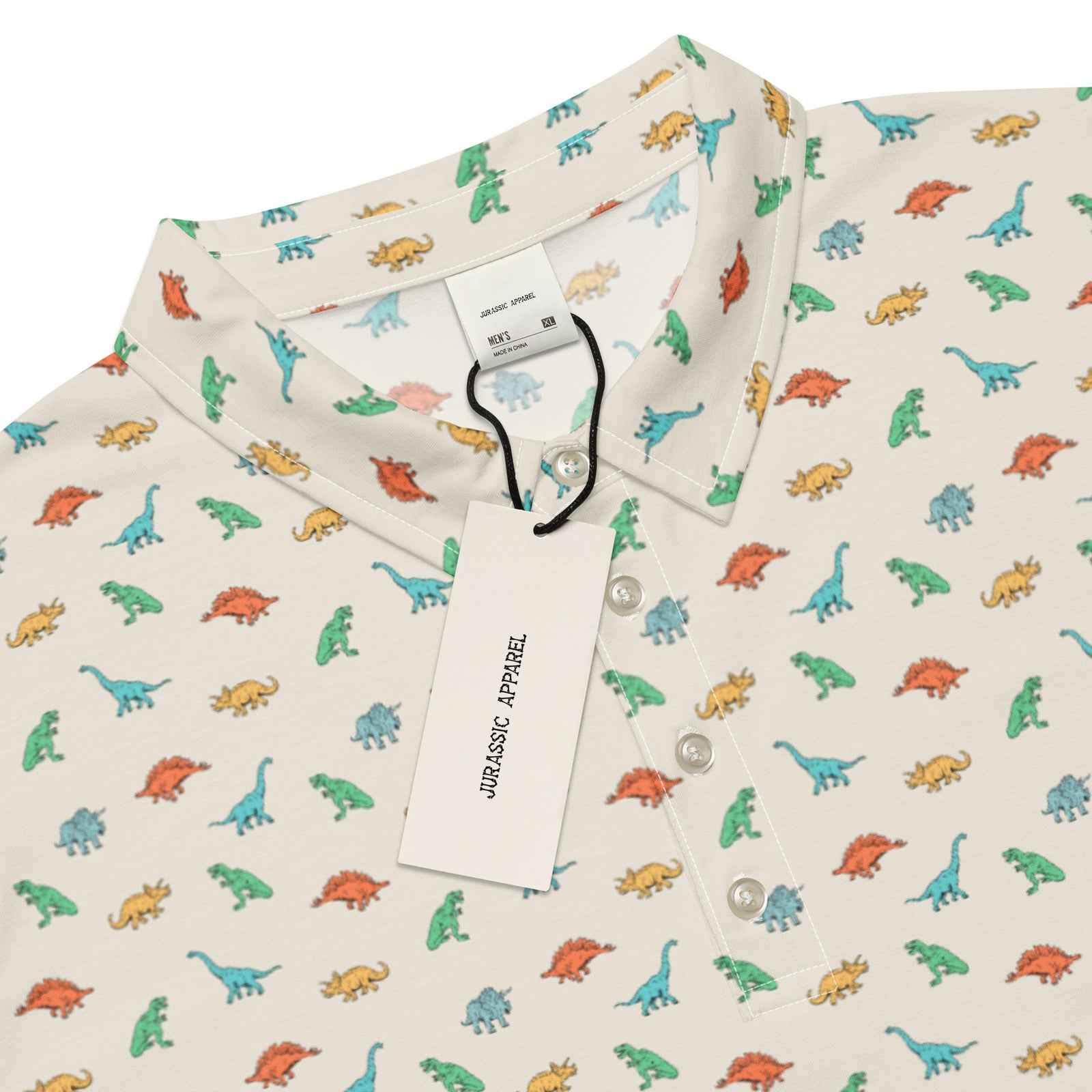
Love learning about the incredible diversity of dinosaur life? Explore our collection of dinosaur apparel featuring Stegosaurus and your other favorite prehistoric species. From dinosaur t-shirts to accessories, wear your passion for paleontology with pride. Because some of us never outgrew our dinosaur phase—and we're proud of it.
Love dinosaurs? Check out our collection of dinosaur apparel — fun dinosaur shirts for the whole family. Because some of us never outgrew our dinosaur phase — and we're proud of it.
Comments will be approved before showing up.