Free Shipping On Orders over $75

0

Your Cart is Empty

Women's
  • Men's
  • Kids
  • Baby/Toddler
  • Accessories
  • New Dinosaur Discovered in Australia: World's Oldest Megaraptorid and More Recent Finds

    March 07, 2026 7 min read

    New Dinosaur Discovered in Australia: World's Oldest Megaraptorid and More Recent Finds

    Answer: Yes, Australia has revealed multiple groundbreaking dinosaur discoveries in 2024-2025. The most significant is the February 2025 discovery in Victoria of the world's oldest known megaraptorid fossils (121-108 million years old) and Australia's first-ever carcharodontosaur remains. Additionally, in June 2024, researchers identified a new species of pterosaur called Haliskia peterseni in Queensland, making it the most complete pterosaur skeleton ever found in Australia.

    TL;DR

    • February 2025: Victoria's coastline revealed the world's oldest megaraptorid fossils and Australia's first carcharodontosaurs
    • Predator hierarchy reversed: In Australia, megaraptorids (6-7 meters) dominated over smaller carcharodontosaurs (2-4 meters) — opposite of South America
    • June 2024: Haliskia peterseni, a 4.6-meter wingspan "demonic pelican" pterosaur, was discovered in Queensland
    • These discoveries completely rewrite our understanding of Australia's Cretaceous ecosystems
    • Museum collections and volunteer efforts continue uncovering Australia's prehistoric secrets

    What Dinosaurs Were Recently Discovered in Australia?

    Australia's fossil record expanded dramatically in the past two years, revealing creatures that challenge everything paleontologists thought they knew about the continent's prehistoric past.

    The Victoria Coastline Discovery (February 2025)

    The most significant recent discovery comes from Victoria's ancient Cretaceous coastline, where researchers from Museums Victoria Research Institute and Monash University uncovered five remarkable theropod fossils.

    What they found:

    • World's oldest megaraptorid fossils (121.4-118 million years ago)
    • Australia's first carcharodontosaur remains — a group previously unknown on the continent
    • Unenlagiine fossils — small, agile "southern raptors" about a meter long

    The fossils were discovered in two key locations:

    1. Upper Strzelecki Group (Bunurong/Boonwurrung Country, Bass Coast)
    2. Eumeralla Formation (Eastern Marr Country, Otway Coast)
    3. Lead researcher Jake Kotevski, a PhD student, explained the significance: "The discovery of carcharodontosaurs in Australia is groundbreaking. It's fascinating to see how Victoria's predator hierarchy diverged from South America."


      What Is a Megaraptorid?

      Megaraptorids are a group of large theropod dinosaurs that thrived during the Cretaceous period. These powerful predators measured 6-7 meters (20-23 feet) long and featured distinctive elongated claws on their forelimbs — not unlike their smaller velociraptor cousins, but built on a much more intimidating scale.

      Key characteristics of megaraptorids:

      • Large, powerful bodies built for ambush hunting
      • Elongated, curved hand claws for grasping prey
      • Possibly covered in feathers (like many theropods)
      • Apex predators in their ecosystems

      The Victoria discovery pushes back the known evolutionary timeline of megaraptorids by millions of years, suggesting they dominated Australia's Cretaceous landscapes far earlier than previously thought.


      What Is a Carcharodontosaur?

      Carcharodontosaurs are named after Carcharodon, the genus that includes great white sharks, because their teeth were similarly serrated and blade-like — perfect for slicing through flesh.

      This dinosaur group includes some of the largest land predators ever to exist, including Giganotosaurus and Carcharodontosaurus saharicus, which rivaled or even exceeded Tyrannosaurus rex in size.

      But here's the twist: In Australia, carcharodontosaurs were relatively small (2-4 meters), playing a secondary role to the larger megaraptorids that dominated the top of the food chain.

      Dr. Thomas Rich, senior curator at Museums Victoria, notes: "The findings challenge previous assumptions about body-size hierarchies in Gondwanan predator ecosystems, highlighting Victoria's unique Cretaceous fauna."

      In South America, the roles were reversed — carcharodontosaurs grew to T. rex-like sizes (up to 13 meters), towering over megaraptorids. Australia's ecosystem evolved differently, creating a predator hierarchy found nowhere else on Earth.


      Why Does This Discovery Matter?

      1. Rewriting Evolutionary History

      These fossils expand our understanding of theropod evolution across the supercontinent Gondwana. The presence of both megaraptorids and carcharodontosaurs suggests active faunal interchange between Australia, South America, and Antarctica during the Early Cretaceous.

      2. Unique Australian Ecosystem

      Victoria's Cretaceous predator hierarchy was unlike anywhere else in the world. Large megaraptorids dominated, with smaller carcharodontosaurs and agile unenlagiines filling different ecological niches.

      3. Museum Collections Are Gold Mines

      Three of the five fossils were discovered between 2022 and 2023 by Museums Victoria volunteer Melissa Lowery. Some specimens had been preserved in the State Collection for decades, unidentifiable until now.

      Tim Ziegler, vertebrate paleontology collection manager, emphasizes: "Museum collections are crucial to advancing our understanding of prehistoric life. Specimens preserved for decades are providing new insights."


      What About the "Demonic Pelican" Discovery?

      In June 2024, researchers from Curtin University identified Haliskia peterseni, a new species of pterosaur discovered in outback Queensland.

      Key facts about Haliskia peterseni:

      • Wingspan: 4.6 meters (15 feet) — larger than any modern albatross
      • Age: 100 million years old
      • Habitat: Soared above the vast inland Eromanga Sea that once covered central Australia
      • Diet: Oceanic prey captured with a 60-centimeter jaw full of spike-shaped teeth
      • Nickname: "Demonic pelican" — an intense-looking predator with a pelican-like hunting style

      PhD candidate Adele Pentland, who led the research, described the significance: "This is the most complete pterosaur skeleton found in Australia, adding valuable information to our national fossil record."

      The fossils were discovered at Kronosaurus Korner's public dig site near Richmond, Queensland, by curator Kevin Petersen. The area sits atop what was once the shallow Eromanga Sea — one of Australia's richest fossil deposits.


      Where Are Australia's Best Dinosaur Fossil Sites?

      Australia has become a hotspot for paleontological discoveries, with several key regions producing world-class fossils:

      Victoria's Cretaceous Coast

      • Bunurong/Boonwurrung Country, Bass Coast
      • Eastern Marr Country, Otway Coast
      • Rich in theropod, marine reptile, and mammal fossils
      • Part of the long-running Dinosaur Dreaming project (over 10,000 fossil bones and teeth discovered)

      Queensland's Winton Formation

      • Home to Australotitan cooperensis — Australia's largest dinosaur
      • Sauropod-rich deposits
      • Ongoing excavations revealing new specimens regularly

      Queensland's Richmond Area (Kronosaurus Korner)

      • Public dig sites where anyone can participate
      • Eromanga Sea deposits packed with marine reptiles and pterosaurs
      • "Low effort, high reward" fossil hunting, according to researchers

      What Did Australia Look Like During the Cretaceous Period?

      Between 145 and 66 million years ago, Australia was part of the supercontinent Gondwana and looked nothing like the arid continent we know today.

      Cretaceous Australia featured:

      • Polar forests — Victoria sat near the South Pole, experiencing months of darkness
      • Inland seas — The Eromanga Sea covered much of central and western Queensland
      • Lush vegetation — Ferns, conifers, and flowering plants (which were just beginning to diversify)
      • Connected landmasses — Australia was still attached to Antarctica, allowing dinosaurs to migrate between continents

      This unique environment created ecosystems unlike anywhere else, allowing specialized predators like megaraptorids to dominate in ways impossible in warmer climates.


      How Do Scientists Identify New Dinosaur Species?

      The process of confirming a new species is meticulous and can take years:

      1. Discovery and Extraction

      Fossils are carefully excavated from rock, often requiring weeks of delicate work to remove a single specimen without damage.

      2. Preparation

      Back in the lab, fossils are cleaned, stabilized, and sometimes CT-scanned to reveal internal structures.

      3. Comparative Analysis

      Scientists compare the new specimen to every known related species, looking for unique anatomical features that distinguish it.

      4. Peer Review

      The findings are written up and submitted to scientific journals, where other experts scrutinize the evidence before publication.

      5. Naming

      If the species is confirmed as new, it receives a formal scientific name — often honoring the discoverer, location, or distinctive features.

      For Haliskia peterseni, the name translates to "Petersen's phantom of the sea," honoring Kevin Petersen, who discovered the fossils.


      What's Next for Australian Paleontology?

      The momentum isn't slowing. Researchers continue surveying key fossil sites across Victoria and Queensland, with Jake Kotevski noting: "We continue to survey key fossil sites, including where the fossils of the large megaraptorid were discovered, prompting new avenues of investigation."

      Adele Pentland is equally optimistic about Queensland: "I wouldn't be surprised if someone digging at these public dig pits outside of Richmond found something even more complete. I think it's only a matter of time."

      Australia's fossil record is far from fully written. Every coastal outcrop, every inland excavation, every museum drawer has the potential to reveal the next groundbreaking discovery.


      Can You Visit These Fossil Sites?

      Yes! Several Australian fossil sites welcome public participation:

      Kronosaurus Korner (Richmond, Queensland)

      • Public dig sites where visitors can search for fossils
      • Museum with extensive marine reptile and pterosaur collections
      • Educational programs and guided fossil hunts

      Melbourne Museum

      • Home to the "600 Million Years: Victoria Evolves" exhibition
      • Features fossils from the recent Victoria discoveries
      • Gandel Gondwana Garden showcases prehistoric plants

      Australian Age of Dinosaurs Museum (Winton, Queensland)

      • Australia's largest dinosaur museum
      • Laboratory tours where you can watch fossil preparation
      • Outback excavation experiences

      If you're passionate about paleontology, Australia offers some of the world's most accessible and rewarding fossil-hunting experiences.


      What Makes Australia's Dinosaur Discoveries Unique?

      Australia's isolation and extreme environments created evolutionary laboratories unlike anywhere else:

      1. Polar Dinosaurs

      Victoria's dinosaurs lived in polar forests, enduring months of winter darkness — conditions that would have killed most dinosaurs elsewhere.

      2. Reversed Hierarchies

      The dominance of megaraptorids over carcharodontosaurs is unique to Australia, showing how ecosystems can evolve completely different structures on isolated continents.

      3. Marine Reptile Diversity

      The Eromanga Sea was teeming with plesiosaurs, pliosaurs, and ichthyosaurs, creating a prehistoric ocean ecosystem preserved in stunning detail.

      4. Gondwanan Connections

      Australian fossils provide crucial evidence for understanding how dinosaurs migrated across Gondwana before the continents fully separated.

      The Future Is Buried in Australian Rock

      Every new discovery in Australia rewrites the story of prehistoric life. The February 2025 Victoria finds prove that even after 150 years of paleontological research, the continent still holds secrets that fundamentally change our understanding of dinosaur evolution.

      These aren't just academic discoveries locked away in museums. They're rewriting textbooks, inspiring new generations of paleontologists, and reminding us that Australia's ancient past is every bit as wild and diverse as its modern wildlife.

      The next groundbreaking fossil could be discovered tomorrow — by a researcher, a volunteer, or even a curious visitor at a public dig site. Australia's dinosaurs aren't finished surprising us.


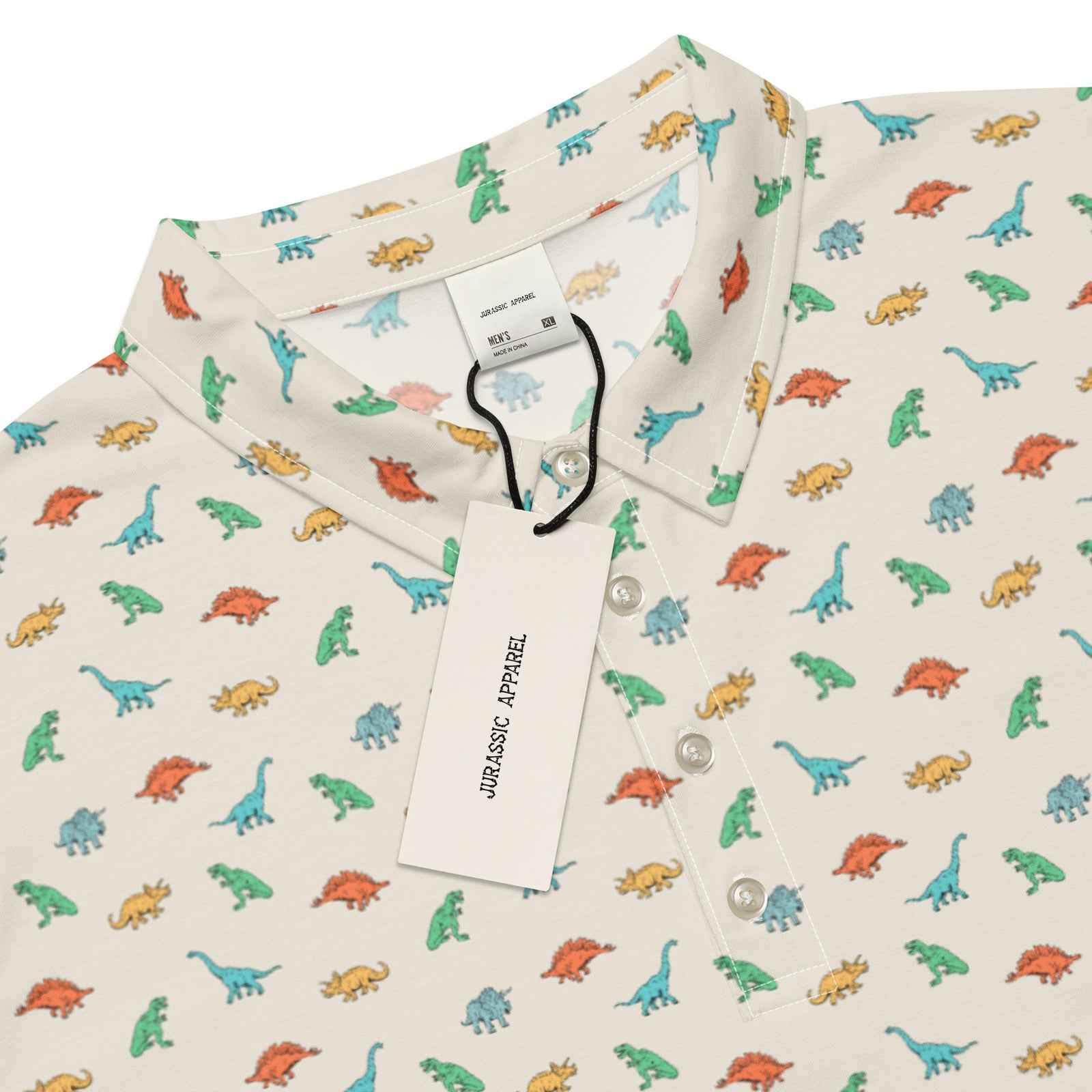
      Love dinosaurs? Check out our collection of dinosaur apparel — fun dinosaur shirts for the whole family. Because some of us never outgrew our dinosaur phase — and we're proud of it.


      Love dinosaurs? Check out our collection of dinosaur apparel — fun dinosaur shirts for the whole family. Because some of us never outgrew our dinosaur phase — and we're proud of it.

    Leave a comment

    Comments will be approved before showing up.